 Call Us : 08045817048Call Us : 08045817048
 Send Inquiry
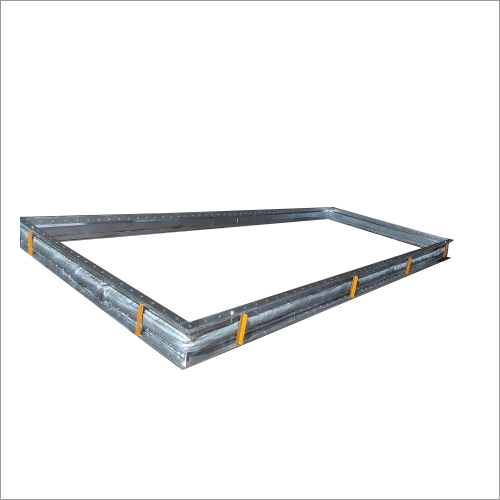
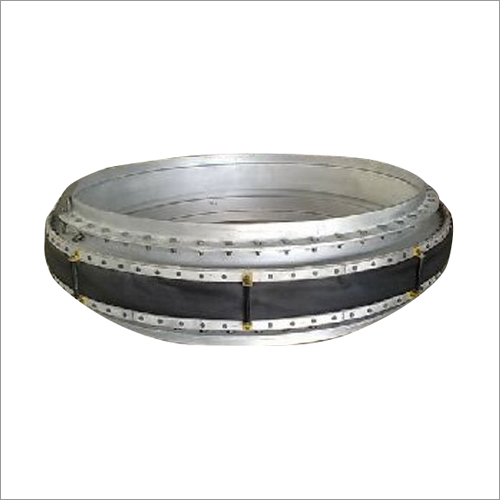
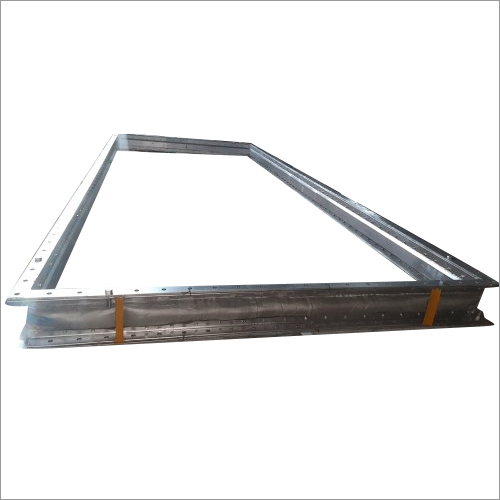
Fabric expansion joint
Price 80000 INR/ Piece
MOQ : 1 , , Piece
Fabric expansion joint Specification
- Flange
- Standard Flange
- Head Code
- Rectangular
- Media
- Other
- Max. Temperature
- 550°C Fahrenheit (oF)
- Material
- Other
- Technique
- Welded
- Size
- Standard
- Type
- Expansion Joint
- Connecting Type
- Flange
- Shape
- Rectangular
- Working Pressure
- Low Pressure PSI
Fabric expansion joint Trade Information
- Minimum Order Quantity
- 1 , , Piece
- Payment Terms
- Cash Advance (CA), Cash in Advance (CID), Cheque
- Supply Ability
- 10 Pieces Per Week
- Delivery Time
- 7 Days
Fabric expansion joint About
Non Metallic Expansion JointNon-metallic expansion joints are flexible components used in systems like boilers, bag filters, and Electrostatic Precipitators (ESPs) to absorb thermal expansion, vibration, and movement. Made from materials like rubber, PTFE, or fabric, they prevent damage from system shifts, ensuring smooth operation and prolonging equipment life. These joints allow for safe and effective handling of temperature and pressure variations without compromising structural integrity.
Robust Fabric Expansion Joint for High-Temperature Applications
Engineered to handle extreme temperatures up to 550C (1022F), our fabric expansion joint is ideal for facilities dealing with hot air and gas flows. Its welded construction guarantees resilience, and the standard flange design ensures straightforward installation and reliable sealing. Designed for applications demanding flexibility without sacrificing durability, this expansion joint serves well in both new and retrofit projects.
Versatile Usage Across Industrial Sectors
Our rectangular fabric expansion joints are commonly used in industries such as power plants, cement factories, pulp and paper mills, and refineries. They are suitable for systems where the absorption of thermal expansion, vibration, and slight misalignments is crucial. With customization available in size and materials, they offer operational reliability and longevity even in challenging environments.
FAQ's of Fabric expansion joint:
Q: How is a fabric expansion joint installed in ducting systems?
A: Fabric expansion joints with rectangular shapes and standard flanged ends are installed by aligning them between ducting flanges and securing with bolts. The welded construction and standard flange interface ensure a leak-tight, stable fit that accommodates movement and vibration.Q: What is the typical operating temperature for this expansion joint?
A: This fabric expansion joint is engineered to operate at temperatures up to 550C (1022F), making it suitable for handling hot air, gases, and exhaust in various industrial processes.Q: Where can these fabric expansion joints be used?
A: They are commonly used in industrial environments such as power plants, cement manufacturing units, and refineries. Their ability to handle high temperatures and low pressure makes them ideal for venting and exhaust systems in these industries.Q: When should an expansion joint be considered for ductwork?
A: An expansion joint should be installed wherever thermal expansion, vibration, or movement is expected in ducting systems. It helps prevent damage from misalignment or thermal stress, extending the life of ducts and attached equipment.Q: What is the manufacturing process for this type of expansion joint?
A: These expansion joints are produced using a welded technique, ensuring strong seams and durability. The joints are fabricated from high-quality materials and undergo quality checks to meet industry standards before dispatch.Q: How does using a fabric expansion joint benefit an industrial system?
A: Fabric expansion joints absorb movement and vibration, compensate for misalignment, and isolate noise, thereby protecting ducts, equipment, and structures from damage. They also reduce maintenance costs and downtime.Q: What standards and customization options are available for these expansion joints?
A: We offer standard sizes and also manufacture as per client specifications, including material, dimensions, and flange configurations, to suit unique application requirements. Our products adhere to international quality and safety standards.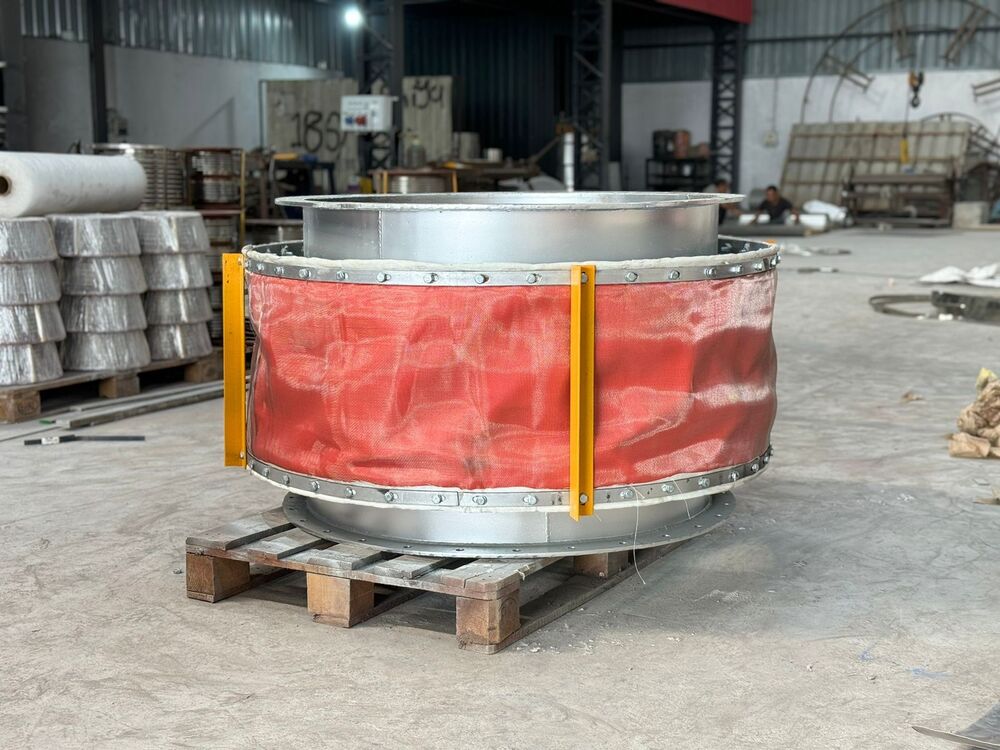
Tell us about your requirement

Price:
Quantity
Select Unit
- 50
- 100
- 200
- 250
- 500
- 1000+
Additional detail
Mobile number
Email


Address
SHIYA ENGINEERING
GST : 24ATLPB3177H2ZR
GST : 24ATLPB3177H2ZR
- Plot No 114, Aatmiya 2 Ind Park, Tal Karjan, Manglej, At Manglej,Vadodara - 391243, Gujarat, India
- Phone :08045817048
- Send Inquiry
 Send Inquiry
 Send Inquiry
 Send SMS
 |
SHIYA ENGINEERING
All Rights Reserved.(Terms of Use) Developed and Managed by Infocom Network Private Limited. |
